Tapestry Weaving

The colors and sketch tapestries of wildfire season

The colors and sketch tapestries of wildfire season

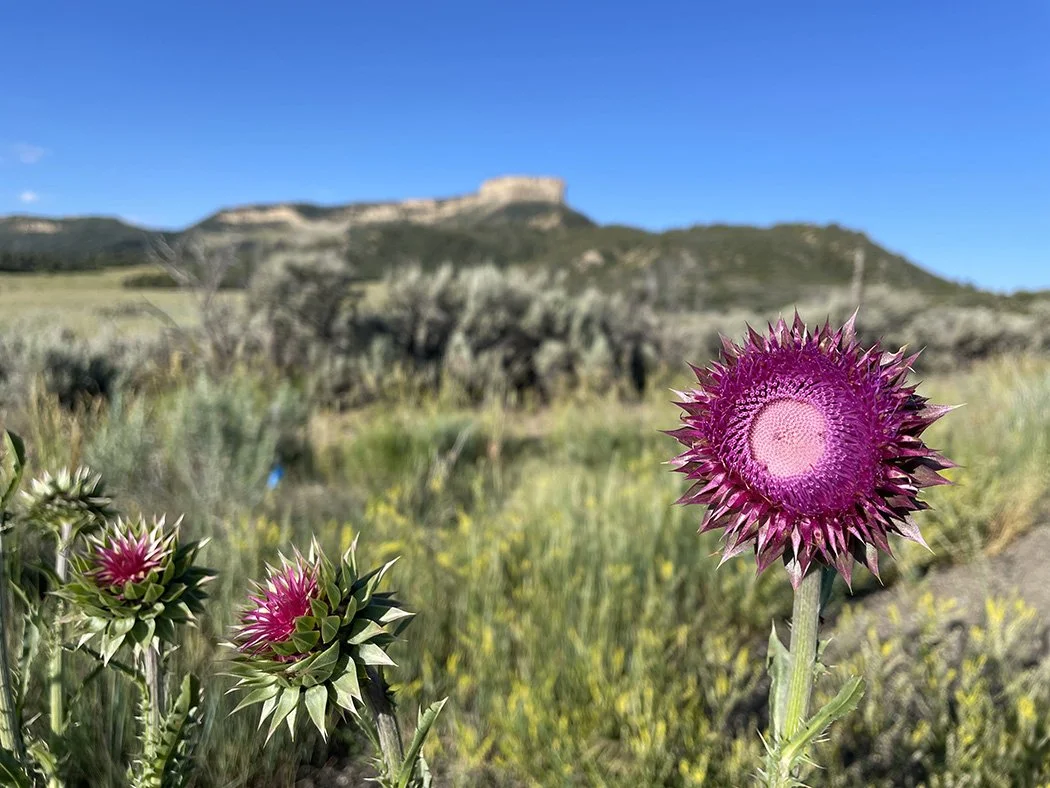
Colorado is having a big wildfire summer. This is not unexpected. We've been in a drought for years and this past winter was the worst snowpack in recorded history. Snowpack is the lifeblood of the water system in the west. The Colorado River which feeds five states and Mexico depends on the slowly melting snow to keep it running. This mighty river is dry this year in parts of Colorado right now. I bet you can guess what it looks like in Arizona and California and Mexico.

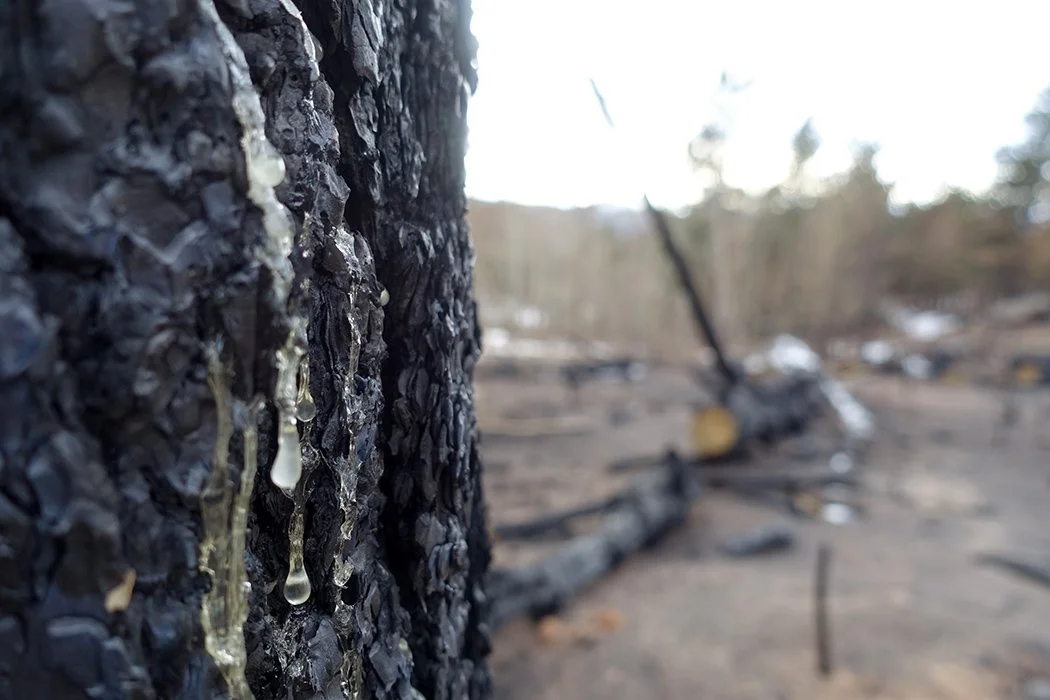
In 2020 I lived in Fort Collins and the Cameron Peak Fire was and still is the largest wildfire in Colorado history. Many places I loved to backpack were burned and at the end of it all 5 months after it started, the fire had traveled all the way to the edge of Fort Collins from where it started 50 miles away.

Getting started in tapestry weaving: looms, tools, and yarn!

Getting started in tapestry weaving: looms, tools, and yarn!

Tapestry weaving can seem like a pursuit that requires A LOT. A lot of equipment, materials, and knowledge.

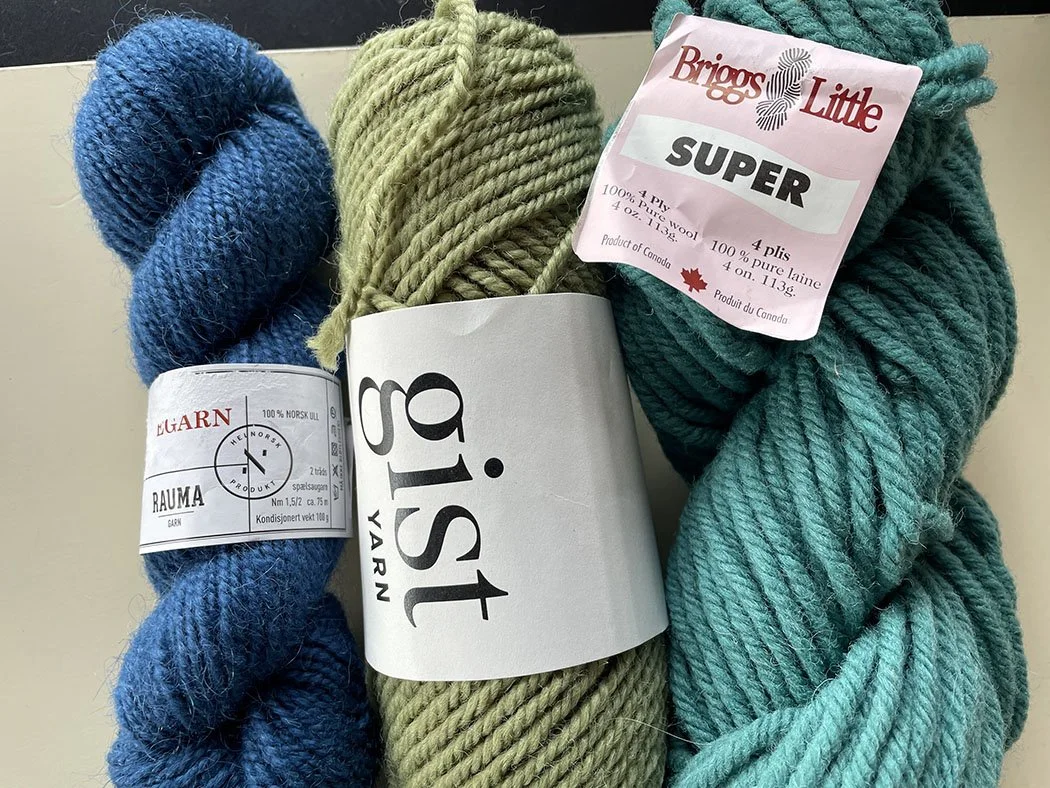
It doesn’t have to be that way. Weaving tapestry can be quite simple and your materials and equipment do not have to be complicated. If you want to learn tapestry weaving, below are some suggestions for how to get started. There are also many resources for people already deep into the tapestry experience, but this post is mostly for people who are pretty new to tapestry weaving.

Weaving the colors of our experiences: a free mini-course

Weaving the colors of our experiences: a free mini-course

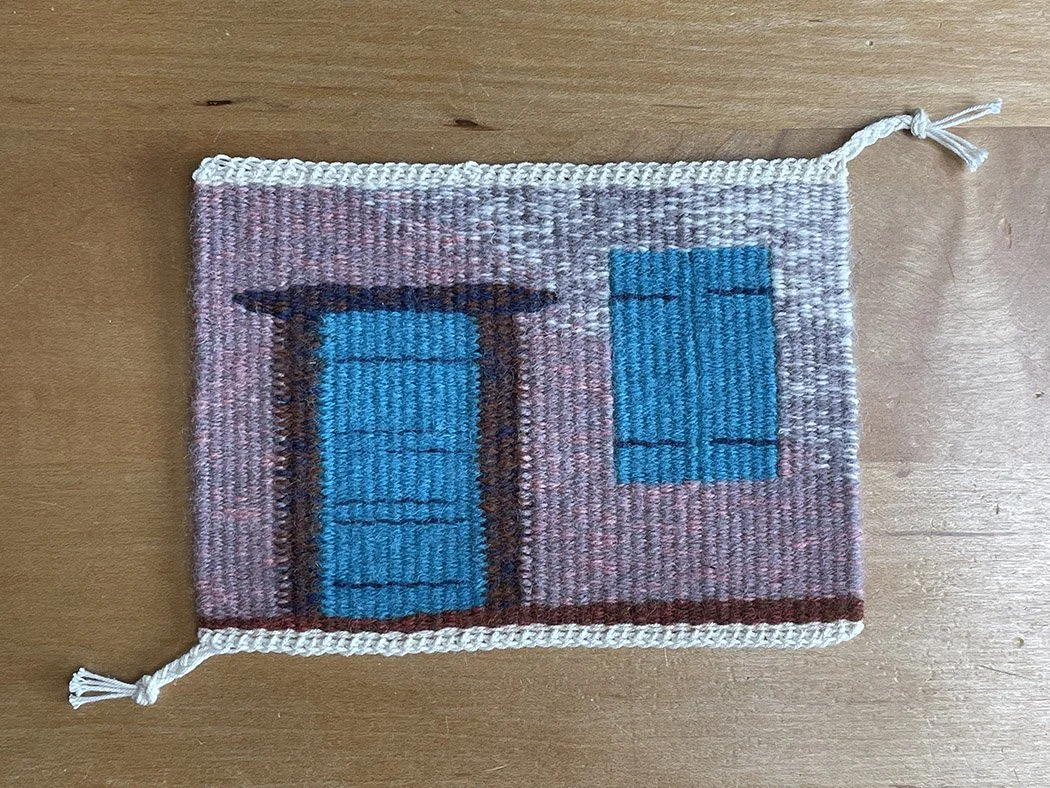
I’ve been a sketch tapestry practitioner since 2016. I started making these small pieces which reference something I experienced when I was at an artist residency at Petrified Forest National Park. I had so much fun weaving simple things each day of that month-long residency that I have devoted blocks of time to doing them ever since.

Read the rest of this post for more about the free mini-course and sketch tapestry in general!

Vertical lines: joins and illusions

Vertical lines: joins and illusions

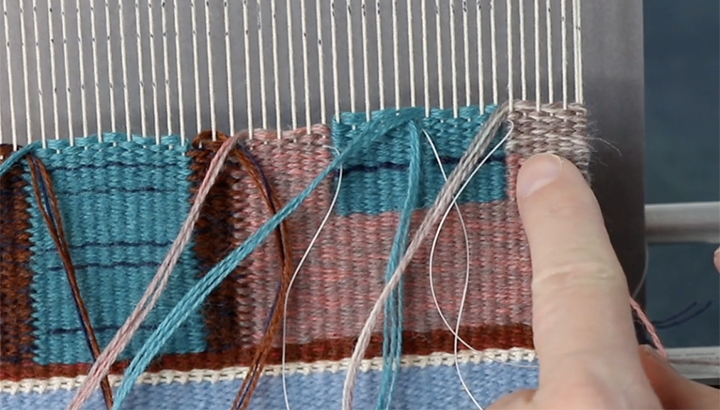
The current Tapestry Discovery Box* is about vertical lines. In it I talk both about how to create the illusion of vertical lines and how to do a variety of joins. In general, making lines that follow the warp is pretty tricky in tapestry weaving. It is much easier to create a line or curve in the horizontal direction because there are many more picks per inch than there are warps per inch in the other direction. It is all about the structure of the medium.

Closet find: my Saltillo project

Closet find: my Saltillo project

My first real education in tapestry weaving was at Northern New Mexico College in El Rito, NM. I was part of the Fiber Arts program which focused on traditional Hispanic weaving styles.* Our final weaving project of the course was to weave a large Saltillo.

Last weekend while reorganizing my studio, I found my Saltillo on a shelf. It is beautiful. And it is completely unfinished.

The open-hearted nature of weavers plus adventures in Taos

The open-hearted nature of weavers plus adventures in Taos

I have found weavers to be the most wonderful people. I suppose there are exceptions, but generally they are curious and able to ask questions. Sure, weavers also tend to like structure and can be slow to see around the rules they’ve made for themselves, but in general, the love of material and creating usually wins.

Weavers can generally also locate themselves in space. You have to have some spatial skills to figure out how to make weave structures, so the fact that they can also find their way to Taos, New Mexico from all over the Northern hemisphere doesn’t really surprise me.